Field Guide: Observing Light on a Short Walk
Field Guide: Observing Light on a Short Walk
This is a short, paced exercise designed to sharpen your sense of light in familiar places. The goal is not to make perfect photographs but to develop a habit of noticing how light alters tone, texture, and mood. Give yourself 20 to 40 minutes. Bring a camera, a phone, or a sketchbook—anything that lets you record what you see.
Preparation Checklist
- Choose a familiar route of roughly 10–20 minutes so your attention can focus on light rather than navigation.
- Bring a simple device for recording: a compact camera, smartphone, or small sketchbook and pencil.
- Wear comfortable shoes and dress for the weather. Standing and waiting are part of the exercise.
- Set expectations low: aim to observe, not to produce a gallery-worthy image.
Field steps
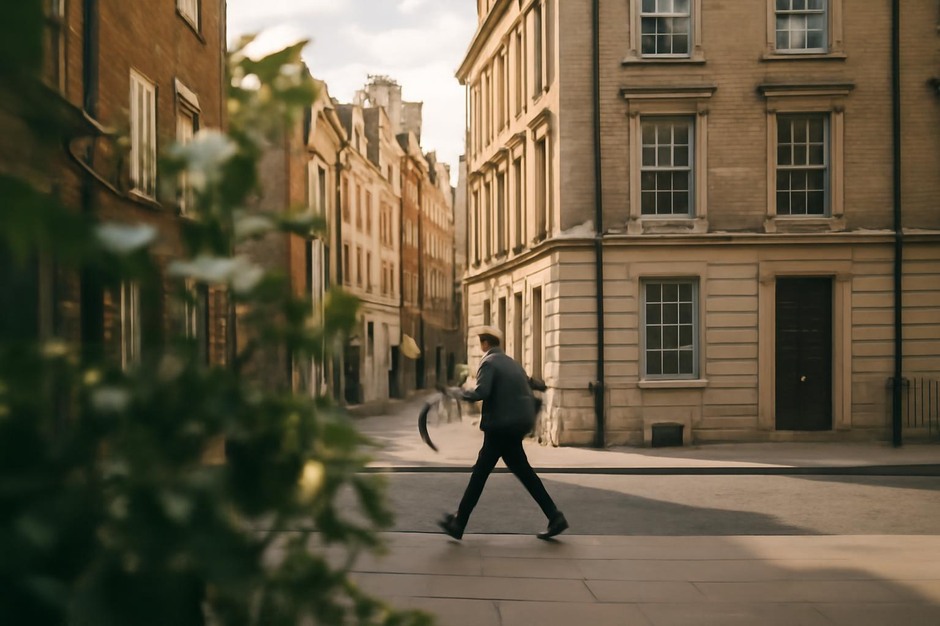
- Begin standing in a neutral spot. Take three slow breaths and note the overall quality of light: is it hard or soft? Is it warm or cool? Try to name the colour in a single phrase, such as “cool morning blue” or “warm late-afternoon gold.”
- Move slowly and pause every 30–60 seconds. At each pause, pick one detail where light is active: highlights on a metal surface, a patch of reflected light, the edge of a shadow. Make a quick photo or a small sketch focused only on that detail.
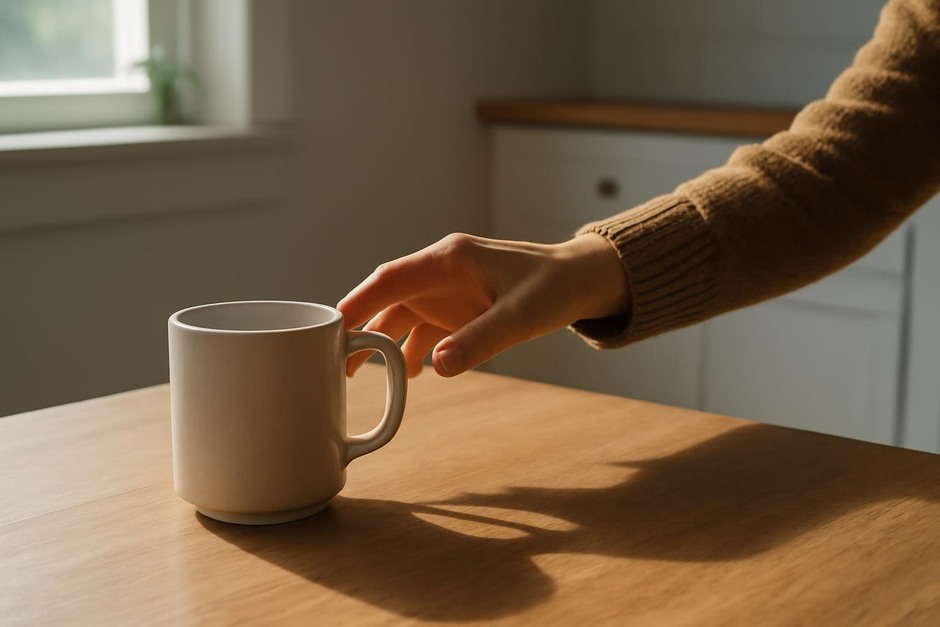
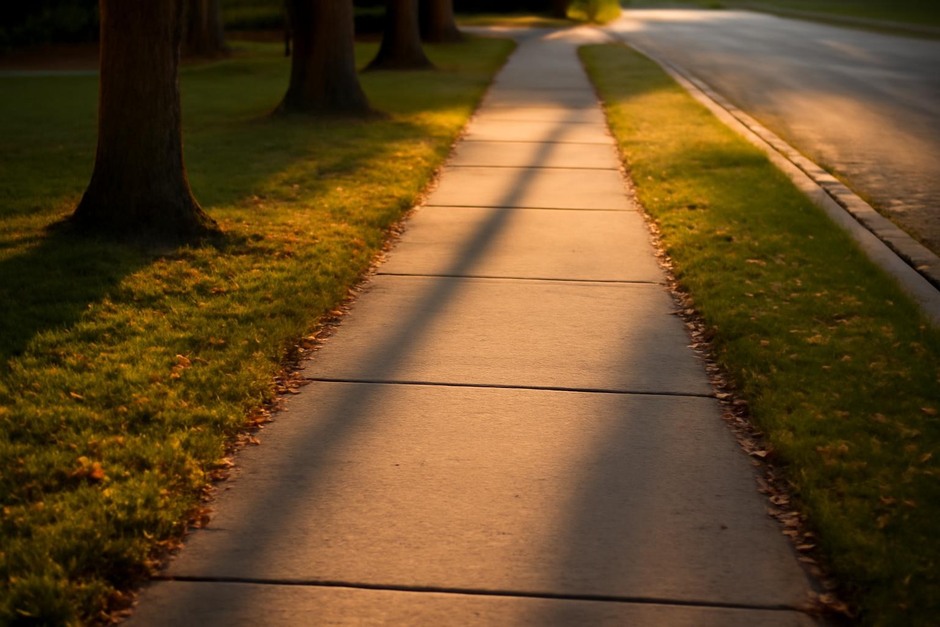
- Notice cast shadows and the shapes they form. Are they crisp, diffuse, elongated? Observe the edges; shadow edges tell you about the light source.
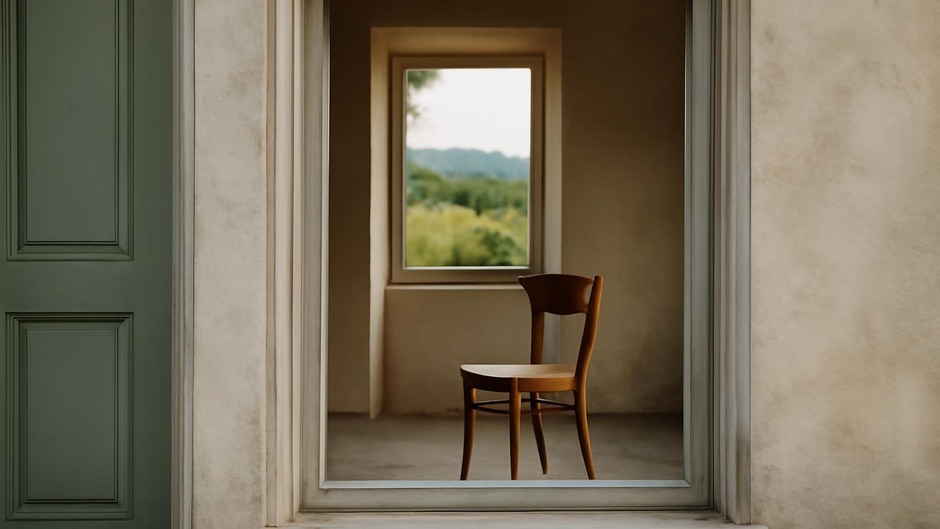
- Look for reflections and indirect light: bright patches on a wall caused by light bouncing off other surfaces, or subtle illumination under eaves and chairs.
- Experiment with angle. Turn your body a little left or right and see how the same subject changes. Take two or three recordings of the same scene from slightly different angles.
- End the walk by choosing one recorded fragment that surprised you—something you hadn’t noticed before—and spend a minute making a fuller note, a second photo, or an expanded sketch of it.
Simple technical notes
If using a camera, try a low ISO (100–400) to preserve subtle tones when light is abundant. Expose for highlights if you want to keep detail in bright areas, or expose for shadows when the mood of deep tone feels important. If you have no exposure controls, focus on the quality and direction of light rather than perfect exposure values.
Reflection prompts
- Which moments of light seized your attention most easily? Why—colour, contrast, movement, or texture?
- Did any familiar place look different in this light? Describe the change in one sentence.
- Which detail would you revisit and explore at a different time of day? What do you imagine would change?
Keeping a short note after each walk—one sentence describing the most memorable light—helps build a record you can revisit. Over time, these small entries sharpen your vocabulary for describing light and improve your instinct for when to stop, observe, and record.