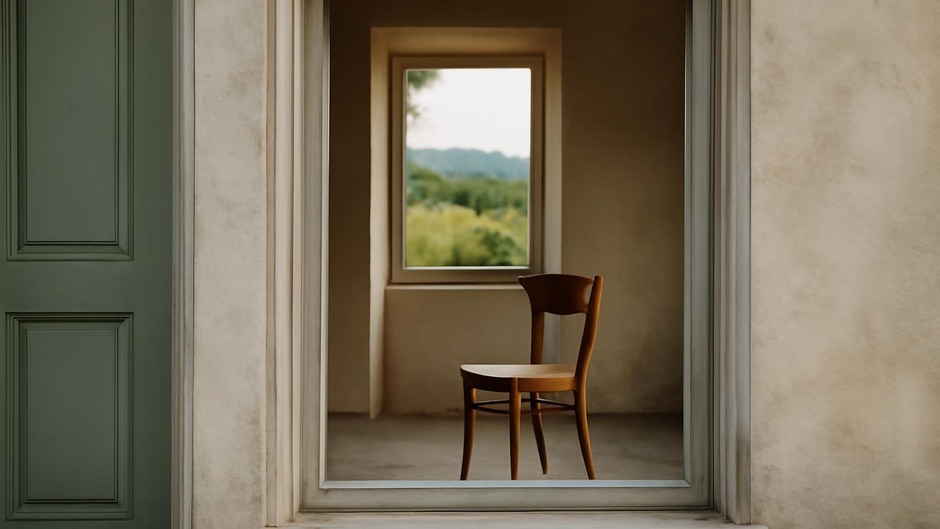
Framing with Everyday Windows: A Beginner’s Composition Guide
Framing with Everyday Windows: A Beginner’s Composition Guide
Windows, doorways, and arches are natural framing devices that help you isolate a subject, suggest context, and create a sense of depth. This guide provides a short exercise to practice using these frames deliberately and an accompanying checklist to prepare for the activity.
Preparation Checklist
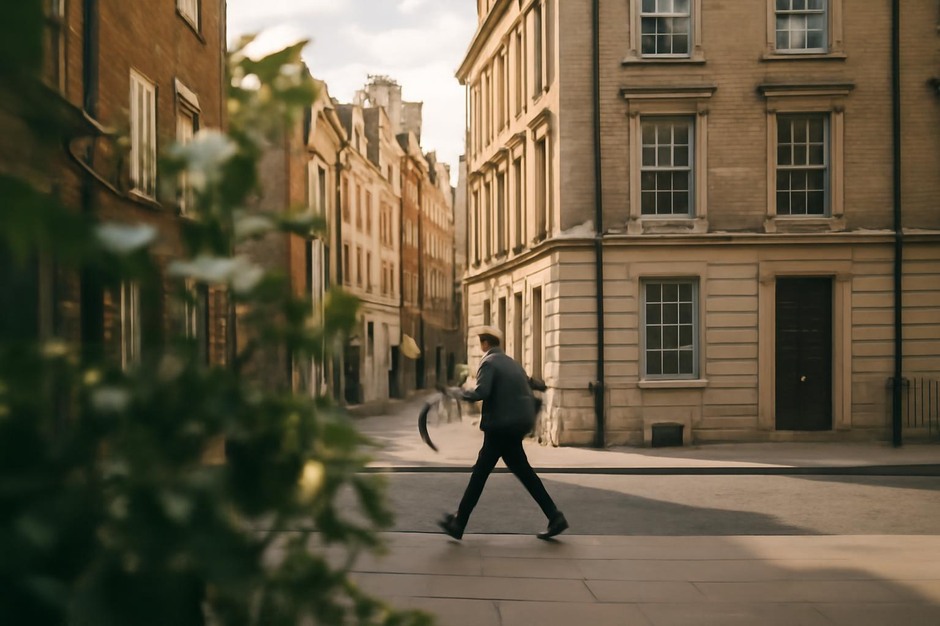
- Select an environment with several windows or openings—cafés, shops, home interiors, or a street of older buildings.
- Choose a camera or phone that allows you to move easily and make small adjustments to framing.
- Plan for 30–45 minutes of slow practice; bring a small notebook or phone notes app for reflections.
Exercise
- Survey the scene: walk slowly and look for windows or openings that contain something of interest. Don’t worry about the perfect subject; the frame itself is an important element.
- Stand at different distances from the window. From close, the frame will be dominant and graphic; from further away, the frame will include more context and depth. Capture at least one image from each distance.
- Pay attention to edge relationships. Where does the framed subject touch the edges of the window? Try moving the subject away from the center or letting it interact with the window sash for visual tension.
- Use foreground layers. If possible, include an element between you and the window—plants, reflections, or a faint smear on the glass—to add texture and depth.
- Look for contrast and tonal separation between the interior and exterior. High contrast can make the frame read as a silhouette; soft contrast invites detail inside the frame.
Compositional notes
Windows often provide a nested composition: the exterior scene, the window frame, and the interior subject. Consider each layer independently and as part of the whole. When framing people through windows, allow space for implied gaze or movement. When framing objects, look for relationships—how one object balances another within the frame.
Checklist while shooting
- Check exposure: do you want interior detail or a silhouette?
- Examine edges: are there distracting elements crossing the frame?
- Try both portrait and landscape orientations.
- Change perspective: crouch low, raise your camera, or step left/right for subtle shifts.
Reflection prompts
- Which framed image felt the most successful and why—clarity, mood, balance, or surprise?
- Did a particular window change the way you perceived the scene behind it? Describe the change.
- How did including a foreground element or reflection alter the image’s story?
Practicing framing with windows helps you see architecture and interiors as compositional tools rather than just backgrounds. Over time, you’ll develop a habit of noticing potential frames in everyday life and using them to shape small visual stories.