Sequencing Daily Routines: Building Short Photo Stories
Sequencing Daily Routines: Building Short Photo Stories
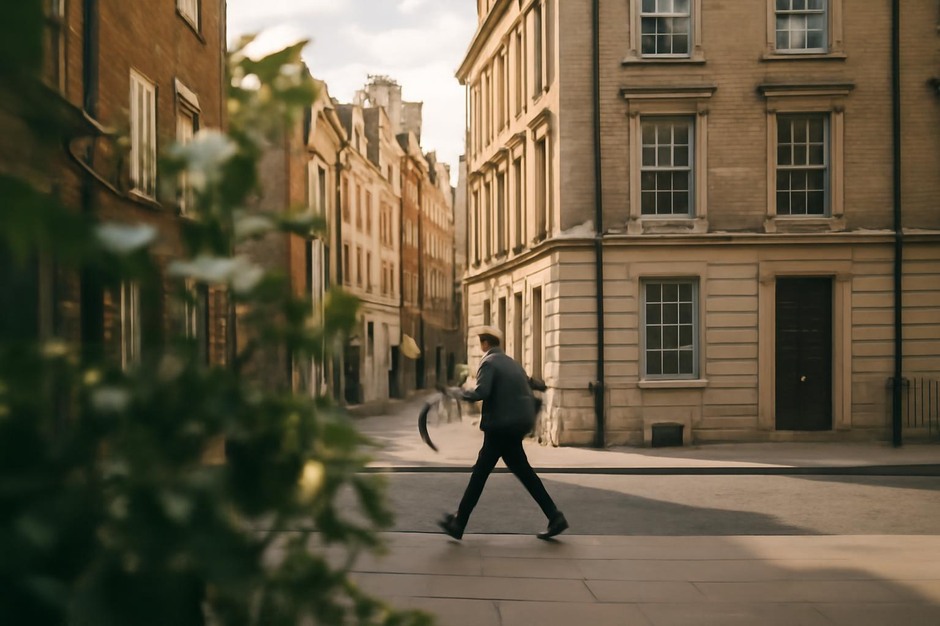
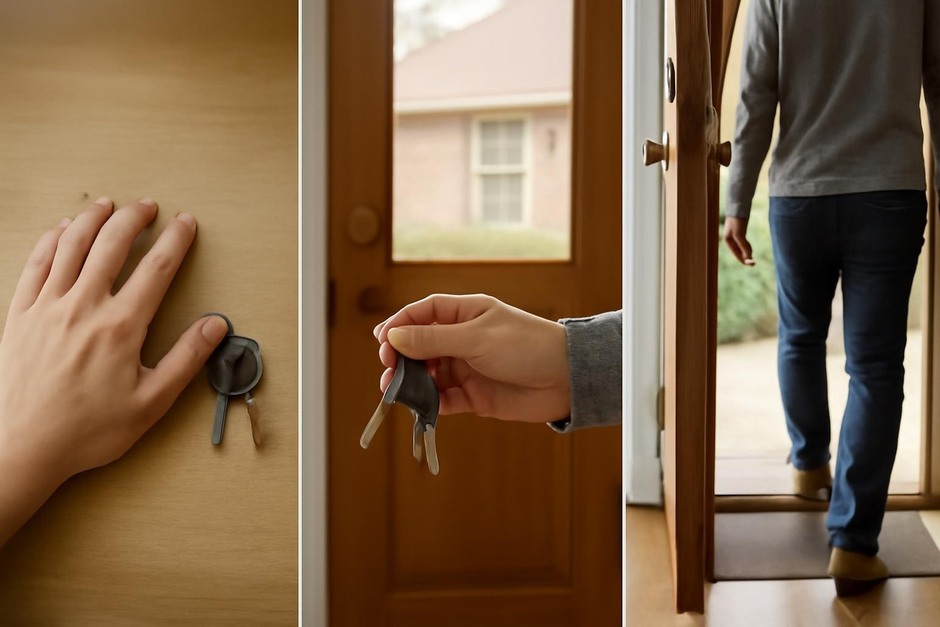
Short sequences of three to five images can turn routine actions into a small narrative. This guide focuses on practical steps for selecting moments, shooting intentionally, and arranging images into a coherent sequence that suggests cause, context, and feeling.
Preparation Checklist
- Identify a simple routine you can observe: making tea, leaving the house, walking a dog, or arranging a desk.
- Allocate 20–45 minutes and a discrete camera or phone.
- Decide whether the sequence will be literal (chronological) or thematic (mood-based).
Steps to build a short sequence
- Map the routine in three parts: setup (before), action (during), and resolution (after). Each part corresponds to one or more images.
- For a 3-image sequence: capture a clear establishing shot, a focused action shot, and a concluding shot that offers context or consequence.
- For a 4–5 image sequence: add connective moments—details, gestures, or small pauses that enrich the narrative without redundancy.
- Shoot variations of each moment: a wide shot to show setting, a medium to place the subject, and a tight detail. Choose the best image from each group when assembling the sequence.
- Keep transitions smooth. Sequences usually feel more coherent if successive images share a visual element—colour, object, line, or repeated gesture.
Assembly and sequencing tips
When you arrange images, think about pacing. Fast-paced sequences can use tight cuts and similar framing; quieter sequences benefit from one or two images that linger on a detail. Order images to guide the viewer: introduce context first, reveal the action, then allow a moment of reflection.
Technical notes
- Maintain consistent exposure and colour to preserve continuity across frames.
- Choose a focal length that suits the story: wider for context, slightly longer for intimacy.
- If possible, shoot with attention to the same light source to keep tone steady.
Reflection prompts
- Which single image in your sequence would tell the story alone? Why does it work?
- Did the sequence require reordering to improve clarity or mood? What change made the biggest difference?
- What small detail could you add next time to enrich the narrative without complicating it?
Creating short photo sequences from everyday routines turns habitual acts into opportunities for observation and storytelling. Small practice runs help you notice the moments that matter and build a calm approach to sequencing that suits both urban and home environments.