Layering for Depth: Using Foreground, Middle, and Background
Layering for Depth: Using Foreground, Middle, and Background
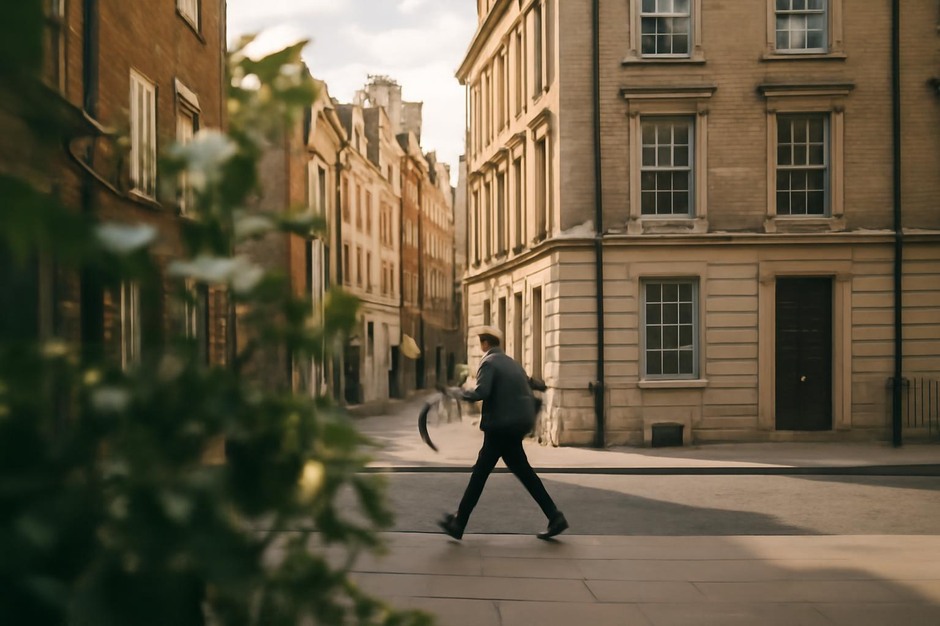
Depth in a photograph helps convey space and context. Layering—intentionally composing with a foreground, a middle-ground subject, and a background—gives images a sense of place and invites the viewer to explore spatial relationships. This guide offers a sequence of exercises to practise layering in everyday locations.
Preparation Checklist
- Pick a location with visible depth: a street with parked cars and buildings, a park with benches and trees, or an interior with objects placed at different distances.
- Select a lens or zoom setting that allows comfortable framing across distances—standard or short telephoto often works well.
- Bring time and patience. Good layering often depends on waiting for subjects to move into the mid-ground.
Exercise
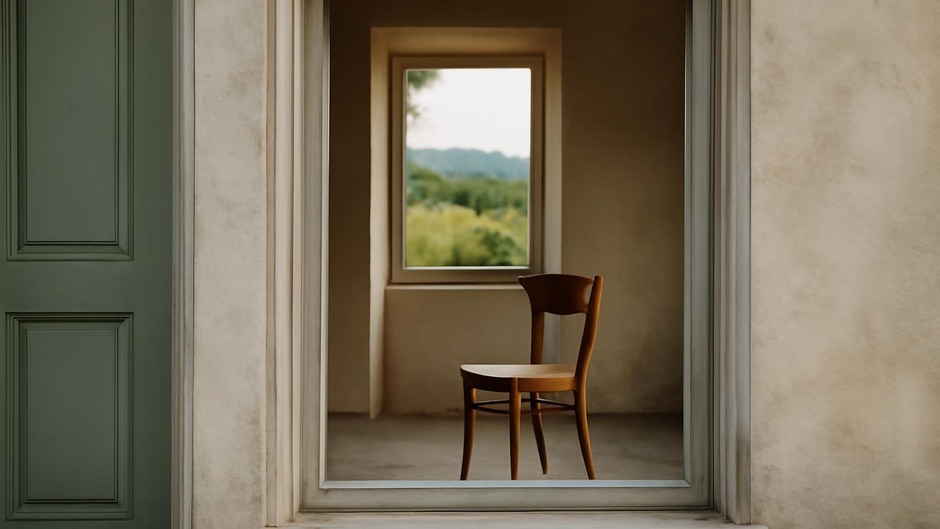
- Identify potential foreground elements: branches, railings, door frames, or parked bicycles. Position yourself so the foreground element partially occupies the edge or corner of the frame.
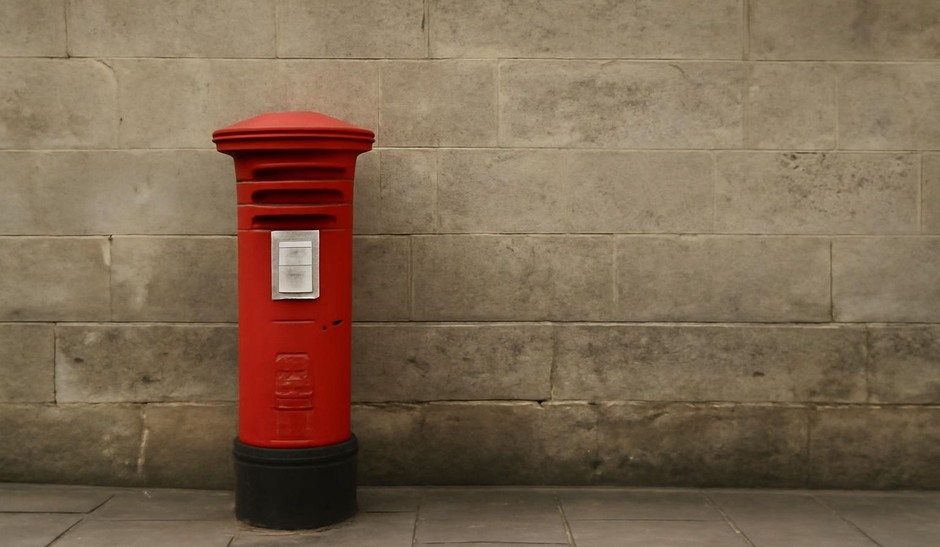
- Choose a middle-ground subject: a person, a bicycle, a mailbox—something that will act as the focal point. Compose so this subject sits clearly between foreground and background layers.
- Observe the background: buildings, trees, or sky should support, not distract from, the middle-ground subject. Adjust your angle to simplify or clarify background shapes.
- Shoot a sequence: one frame with a strong, close foreground; one with a moderate foreground; and one with minimal foreground. Compare how each choice affects depth and emphasis.
- Try moving the camera’s focus point across layers. Focus on the foreground for silhouette effects, on the middle-ground for subject clarity, or on the background to create a story of place.
Compositional tips
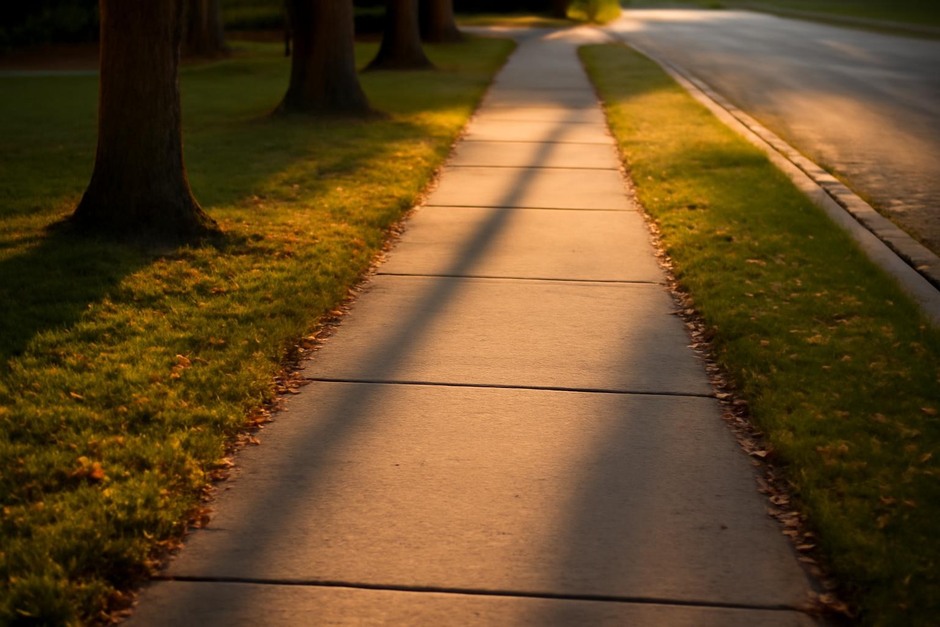
Foreground elements add texture and context but should not obscure the main subject. Use diagonal lines and overlapping shapes to guide the eye into the scene. Soft foreground blur can suggest intimacy, while sharp foreground detail can create a graphic frame.
Technical notes
- Use a moderate aperture (around f/5.6–f/8) for balanced sharpness across layers in many situations. For stronger separation, open up the aperture.
- Mind the light: layered scenes with varied illumination can create strong contrast and enhance depth when exposed carefully.
Reflection prompts
- Which frame felt deepest and why—foreground texture, subject placement, or background simplicity?
- Did any foreground element distract rather than support? How would you alter it next time?
- What did you learn about layering that you might apply to a future walk or quick study?
Layering is a practical way to make ordinary imagery feel considered. Regularly practicing these small experiments trains you to see spatial relationships and compose with more intention, even in routine moments.